Navigating Electric Vehicle Choices: Your Essential Guide

The electric vehicle (EV) market is booming, and with so many options available, choosing the right one can feel overwhelming. As more people become environmentally conscious and seek alternatives to traditional gasoline-powered cars, understanding the landscape of electric vehicles is crucial. This guide will help you navigate the various choices, features, and considerations to make an informed decision.
Understanding Electric Vehicles
Electric vehicles are powered by electricity instead of gasoline or diesel. They come in several forms, including:
Battery Electric Vehicles (BEVs): These run entirely on electric power and have no internal combustion engine. Examples include the Tesla Model 3 and the Nissan Leaf.
Plug-in Hybrid Electric Vehicles (PHEVs): These combine a traditional internal combustion engine with an electric motor, allowing for both electric and gasoline operation. The Toyota Prius Prime is a well-known example.
Hybrid Electric Vehicles (HEVs): These use both an internal combustion engine and an electric motor but cannot be plugged in to charge. The Honda Insight is a popular HEV.
Benefits of Electric Vehicles
Environmental Impact: EVs produce zero tailpipe emissions, which significantly reduces air pollution and greenhouse gas emissions.
Cost Savings: While the initial purchase price may be higher, EVs often have lower operating costs due to cheaper electricity compared to gasoline and reduced maintenance needs.
Incentives: Many governments offer tax credits, rebates, and other incentives to encourage EV adoption, making them more affordable.
Performance: Electric motors provide instant torque, resulting in quick acceleration and a smooth driving experience.
Key Considerations When Choosing an Electric Vehicle
When selecting an electric vehicle, consider the following factors:
Range
The range of an EV refers to how far it can travel on a single charge. Depending on your driving habits, this can be a critical factor. For example:
Daily Commuters: If you only drive short distances, a vehicle with a range of 150-200 miles may suffice.
Long-Distance Drivers: If you frequently take long trips, look for models with a range of 250 miles or more.
Charging Infrastructure
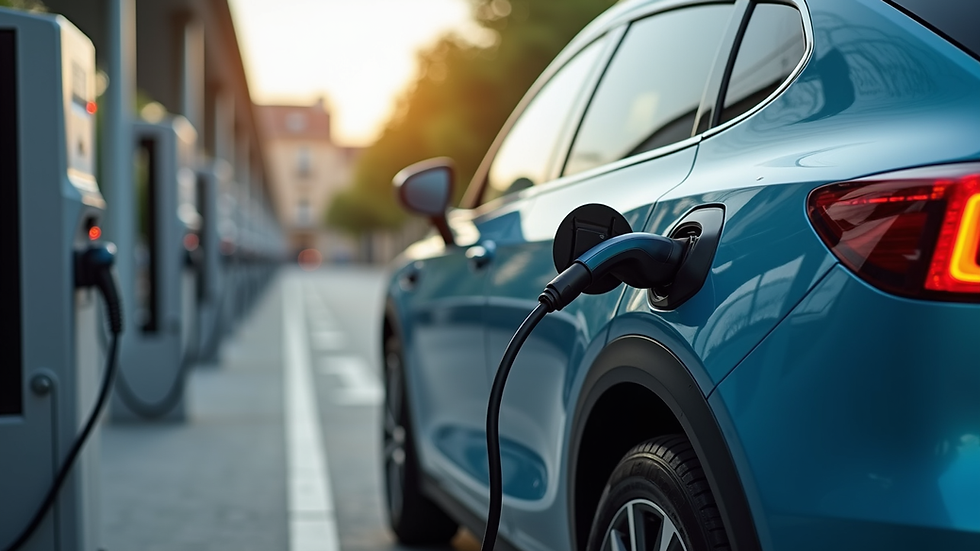
Access to charging stations is essential for EV ownership. Consider the following:
Home Charging: If you can install a Level 2 charger at home, you can charge your vehicle overnight.
Public Charging: Check the availability of charging stations in your area and along your typical routes. Apps like PlugShare can help locate charging stations.
Battery Life and Warranty
Battery life is a significant concern for potential EV buyers. Most manufacturers offer warranties on their batteries, typically ranging from 8 to 10 years or 100,000 miles. Research the warranty and battery replacement costs for the models you are considering.
Features and Technology
Modern electric vehicles come equipped with advanced technology and features. Look for:
Infotainment Systems: Many EVs have integrated navigation systems that can help you find charging stations.
Driver Assistance Features: Features like adaptive cruise control, lane-keeping assist, and automatic emergency braking enhance safety and convenience.
Popular Electric Vehicle Models
Here are some popular electric vehicle models to consider:
Tesla Model 3
The Tesla Model 3 is one of the best-selling electric cars worldwide. It offers:
Range: Up to 353 miles on a single charge.
Performance: Quick acceleration and impressive handling.
Technology: A minimalist interior with a large touchscreen interface.
Nissan Leaf
The Nissan Leaf is a practical choice for those new to electric vehicles. It features:
Range: Up to 226 miles, depending on the battery option.
Affordability: Generally lower starting price compared to other EVs.
User-Friendly: Easy to drive and maintain.
Ford Mustang Mach-E
The Ford Mustang Mach-E combines the iconic Mustang brand with electric performance. Highlights include:
Range: Up to 300 miles, depending on the configuration.
Style: A sporty design that appeals to traditional car enthusiasts.
Technology: Ford's latest infotainment system with over-the-air updates.
The Future of Electric Vehicles
The electric vehicle market is evolving rapidly. Here are some trends to watch:
Increased Range and Efficiency
Manufacturers are continually improving battery technology, resulting in longer ranges and faster charging times. Expect to see EVs with ranges exceeding 400 miles in the near future.
Expansion of Charging Infrastructure
As more people adopt electric vehicles, the charging infrastructure will continue to grow. Governments and private companies are investing in fast-charging stations, making long-distance travel more feasible.
Diverse Options
The variety of electric vehicles is expanding. From compact cars to SUVs and trucks, there will be options to suit every lifestyle and preference.
Conclusion
Choosing the right electric vehicle involves careful consideration of your needs, preferences, and the available options. By understanding the different types of EVs, their benefits, and key factors to consider, you can make an informed decision that aligns with your lifestyle and values. As the market continues to grow and evolve, now is an excellent time to explore the world of electric vehicles and take a step toward a more sustainable future.
Whether you're a daily commuter or an adventurous road-tripper, there's an electric vehicle out there for you. Embrace the change and enjoy the journey ahead!
Comments